
Cooking With Kids: Fun Summer Snacks and International Treats to Try Together
By Keren Granit
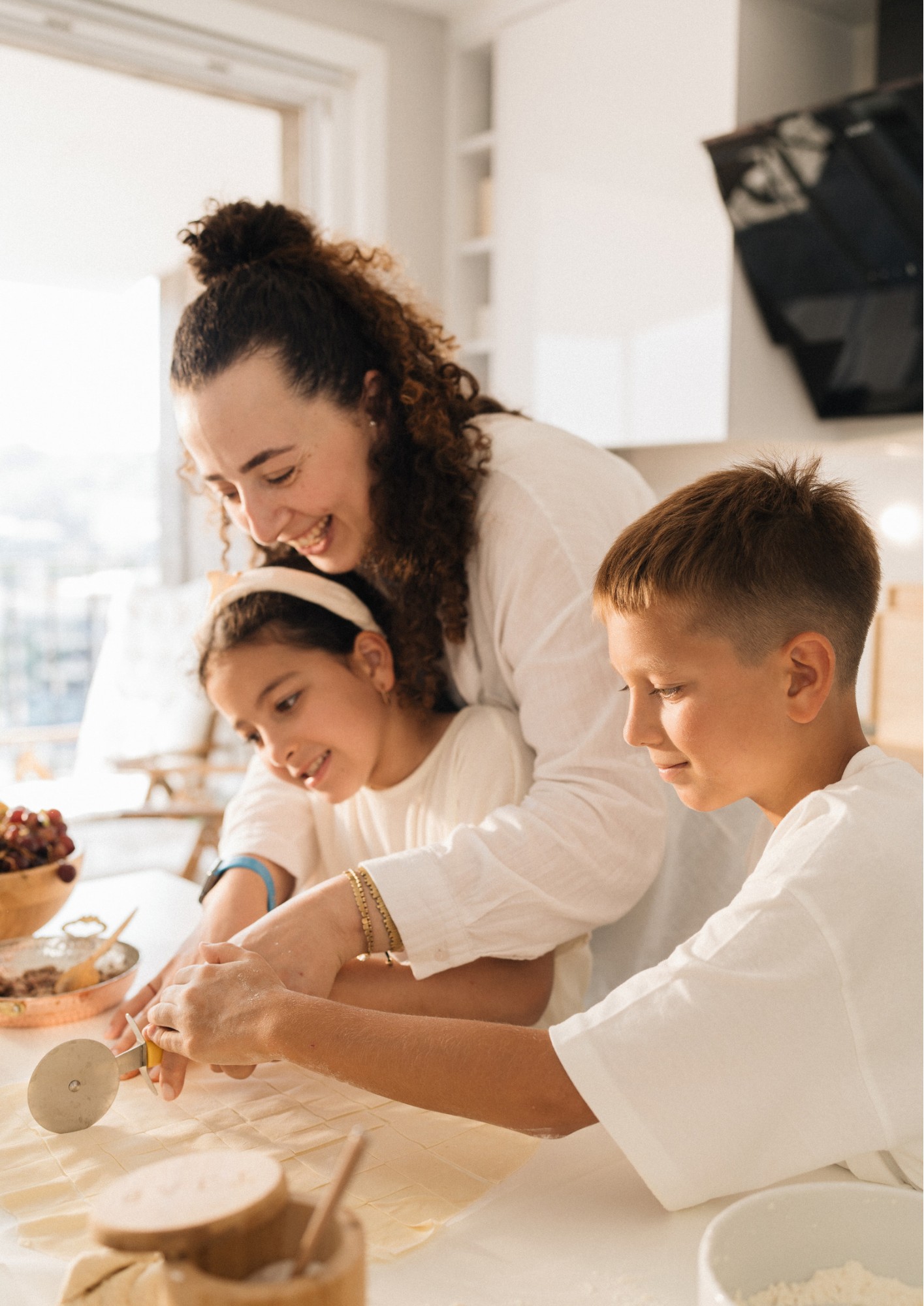
Summer in Bangkok often means balancing indoor activities with creative ways to keep children entertained, nourished, and connected as a family. Between the tropical heat, rainy afternoons, and school holidays, many parents look for activities that are both meaningful and manageable. One surprisingly simple activity that brings together fun, learning, and family connection is cooking with kids.
Cooking together is about much more than preparing food. It creates opportunities for connection, confidence-building, sensory learning, and cultural exploration. Research consistently shows that children who participate in food preparation are more likely to feel comfortable around a wider variety of foods and more willing to try unfamiliar ingredients over time. For families navigating picky eating, involving children in the kitchen can be a powerful tool.
When children help prepare meals, they gain a sense of ownership and curiosity around food. A child who refuses cucumber on a dinner plate may suddenly become excited about adding cucumber to a rainbow wrap they created themselves. Repeated, pressure-free exposure to ingredients through cooking often helps children build familiarity and trust with foods naturally, without turning mealtimes into a battle.
Cooking together also strengthens the parent-child bond. In busy family life, especially for expat families balancing work, school, and life abroad, even small moments of connection matter. Measuring ingredients, stirring yogurt, rolling wraps, or decorating snacks creates opportunities for conversation, teamwork, and shared memories.
For multicultural families living in Bangkok, food can also become a meaningful bridge between cultures. Many expat families want their children to stay connected to traditional foods from home while also embracing the incredible variety of cuisines available in Thailand. Cooking together offers the perfect opportunity to combine both worlds.
Bangkok’s international supermarkets and local fresh markets make it easy to access ingredients from around the globe. Families can recreate recipes from their home countries while incorporating tropical fruits, fresh herbs, and local flavors. Children grow up understanding that food is connected to family traditions, travel, identity, and community.
The key is keeping the experience relaxed and age-appropriate. Cooking with children does not need to involve elaborate baking projects or picture-perfect creations. In fact, the simplest recipes are often the most successful. Younger children can wash fruit, mix ingredients, spread toppings, or assemble skewers. Older children can practice measuring, rolling, slicing soft ingredients, or following recipe steps independently.
Most importantly, try to focus less on perfection and more on participation. A messy counter, uneven banana slices, or yogurt spilled on the table are all part of the experience.
Below are four easy, family-friendly recipes perfect for warm summer days in Bangkok. They are simple, versatile, and designed to encourage children to actively participate in the kitchen.
Tropical yogurt popsicles
These refreshing popsicles are naturally sweet, colorful, and perfect for hot afternoons.
Ingredients
1 cup plain Greek yogurt or coconut yogurt
1 ripe mango
1 banana
½ cup pineapple chunks
Optional: honey or maple syrup
Popsicle molds
Instructions
Blend the mango, banana, pineapple, and yogurt until smooth
Taste and add a little honey if needed
Pour into popsicle molds
Let children add small fruit pieces into the molds
Freeze for at least 4-6 hours
Why kids love it
Children enjoy choosing fruit combinations and watching the mixture transform into frozen treats. Parents love that these popsicles are refreshing while still providing fiber, vitamins, and protein.
Variation idea: Try dragon fruit, watermelon, papaya, or coconut milk for different tropical flavors.
Rainbow rice paper rolls
Inspired by fresh Vietnamese-style rolls, these colorful wraps require minimal cooking and can be endlessly customized.
Ingredients
Rice paper wrappers
Cooked rice noodles
Thinly sliced cucumber
Carrot strips
Mango slices
Avocado
Lettuce or fresh herbs
Optional protein: tofu, shredded chicken, shrimp, or egg
Simple dipping sauce
2 tablespoons peanut butter
1 tablespoon soy sauce
A squeeze of lime
Warm water to thin
Instructions
Fill a shallow plate with warm water
Dip rice paper wrappers briefly until soft
Lay flat and let children choose their fillings
Roll tightly like a burrito
Serve with dipping sauce
Why kids love it
This recipe feels like edible arts and crafts. Children can create colorful combinations while exploring vegetables and textures in a low-pressure way.
Mini Mediterranean snack skewers
These easy no-cook skewers work perfectly for summer playdates, lunchboxes, or poolside snacks.
Ingredients
Cherry tomatoes
Cucumber slices
Cheese cubes or tofu cubes
Olives (for older children)
Whole wheat pita or bread cubes
Optional: grilled chicken pieces
Instructions
Give children small skewers or reusable cocktail sticks
Let them build their own combinations using the ingredients provided
Serve with hummus or yogurt dip
Why kids love it
Children naturally enjoy assembling food themselves. The colorful ingredients and hands-on activity make vegetables and new flavors feel more approachable and fun.
Variation idea: Create “international skewers” using ingredients inspired by different cuisines and family traditions.
Banana Sushi Rolls
This playful snack looks impressive but is incredibly simple to make.
Ingredients
Whole wheat tortilla or thin wrap
Peanut butter, almond butter, or sunflower seed butter
Banana
Optional toppings: chia seeds, crushed cereal, coconut flakes, cinnamon
Instructions
Spread nut or seed butter over the tortilla
Place a peeled banana inside and roll tightly
Slice into “sushi” rounds
Let children sprinkle toppings over the slices
Why kids love it
The sushi-style shape makes familiar ingredients feel exciting and new. Children can customize toppings and practice spreading, rolling, and slicing skills.
Variation idea: Add strawberries or a drizzle of melted dark chocolate for a dessert-inspired version.
Making summer cooking feel manageable
For many parents, cooking with children sounds wonderful in theory but stressful in reality. The kitchen gets messy, attention spans are short, and not every child eagerly participates every time.
The good news is that cooking together does not need to be complicated to be meaningful.
Even involving children for ten minutes can have a positive impact. Washing berries, stirring yogurt, building wraps, or choosing toppings all count as participation. Small moments repeated consistently often shape children’s confidence and relationship with food over time.
It can also help to create small seasonal rituals:
Friday smoothie afternoons
Weekend popsicle-making sessions
International snack nights
Build-your-own wrap lunches
These routines often become cherished family memories.
Most importantly, avoid pressure around eating. Children do not need to taste every ingredient or finish every recipe they help prepare. The goal is exposure, curiosity, and positive experiences around food. Over time, those relaxed experiences can support more adventurous eating habits and reduce mealtime stress.
In a multicultural city like Bangkok, cooking together also gives families a chance to celebrate both old traditions and new experiences. Whether it is making Mediterranean skewers, tropical Thai-inspired popsicles, or wraps inspired by Asian street food, children learn that food tells stories about culture, family, and connection.
This summer, instead of focusing on perfect recipes or elaborate meals, focus on the experience itself. Turn on music, expect a little mess, and invite your children into the kitchen with you. Hopefully, this article inspires you to try a few new recipes together and create simple moments that your family will remember long after summer ends.
About the Author
Keren Granit is a dietitian based in Bangkok, specializing in family and pediatric nutrition. She helps parents confidently guide their children’s eating habits, from picky eating to healthy growth. Passionate about evidence-based, practical advice, she shares resources and guidance at EatWithKeren.com.