
Pelvic Floor Health
By Leanne O'Brien
The pelvic floor. Most women have heard of it. Some women know how to exercise it, but few really understand why it’s so integral to our well-being, or how unique it really is. So let's explore.
What is the pelvic floor?
The pelvic floor is a group of muscles that sits at the base of the pelvis. It forms a hammock-like structure, acting a bit like a trampoline, to support the internal organs and help stabilize the pelvis. There are two holes in the center of the pelvic floor, one for the rectum to pass through, and one for the vagina and the urethra. The muscle fibers of the pelvic floor loop around the holes to form a seal, helping to keep us continent. The pelvic floor is also involved in sexual arousal and orgasm.
Considering that the pelvic floor does all of this, you can see why keeping it strong throughout life is so important. If you don’t keep it strong, you may experience urinary or fecal incontinence, bladder or bowel urgency, issues with sexual function, pain or difficulty emptying your bladder or bowel, or prolapse.
What the pelvic floor does during pregnancy and labor
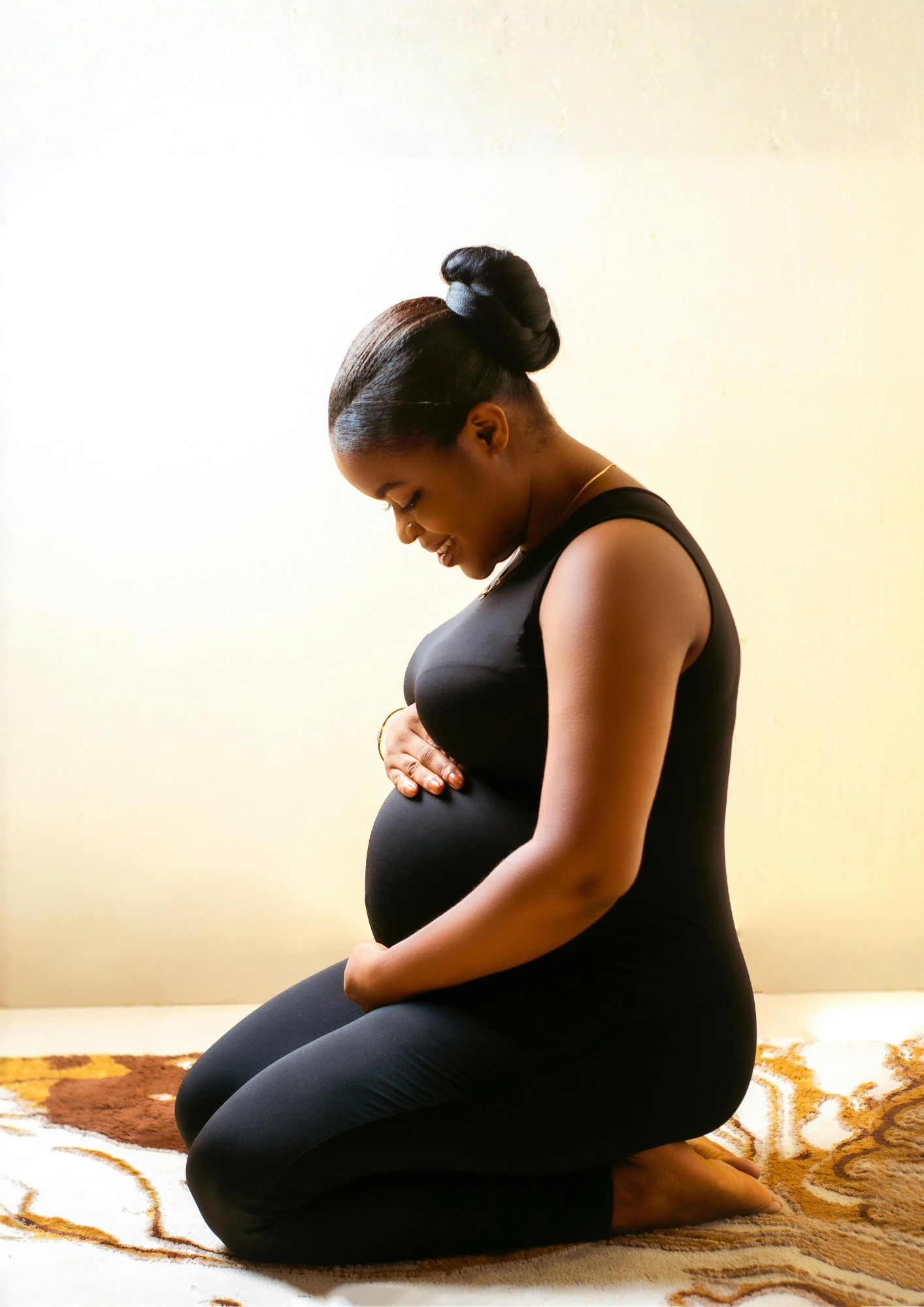
During pregnancy, your pelvic floor works hard to support the growing baby. It also supports the changing position of the pelvis, as your pelvis shifts more anteriorly, increasing the curve of your lower back. Fluctuating hormones cause laxity in the pelvic ligaments meaning your pelvic floor works harder to maintain support and stability around the pelvis.
During labor, our pelvic floor stretches to over three times its original length. The length of the perineum—the skin between your vagina and your rectum—and the flexibility of your pelvic floor, partly dictate the stretch capacity and risk of tearing during labor. Perineums measuring under 3cm are at greater risk of more serious tears, while taut, less flexible pelvic floors increase the risk of damage to the connective tissue as the baby exits. Perineal massage has been shown to reduce the risk of tearing by stretching the perineal tissue in the weeks leading up to labor. You should start perineal massage at 35-36 weeks gestation and aim to complete the technique 3-5 times per week. The UK NHS website has information on how to complete the technique effectively (1). Your obstetrician can tell you the length of your perineum. Shorter perineums require additional support during delivery to minimize tearing. In extreme cases, your obstetrician may recommend a cesarean section.
Postnatally, particularly after vaginal delivery, the pelvic floor muscles are weaker. Therefore targeted pelvic floor strengthening, and a gradual return to general exercise, is warranted. To strengthen the pelvic floor effectively you need to complete targeted pelvic floor strengthening exercises, as well as general strengthening such as pilates, yoga, or weight training.
If you’ve had a cesarean section, it’s still important to complete pelvic floor exercises postnatally, as your pelvic floor will be weaker than it was pre-pregnancy. Forceps and ventouse deliveries cause greater trauma and stretch to the pelvic floor, meaning a longer postnatal recovery, and potentially more pelvic floor issues.
Continence issues postnatally are relatively common, but they’re not a normal part of the postnatal process. They are not something you should have to put up with, and in the majority of cases, they are treatable. Targeted exercises and conservative measures such as pessaries (small silicon devices that you insert into the vagina during exercise), underwear that supports the perineum, and pelvic floor stimulation devices have all been shown to alleviate symptoms.
Exercises for the pelvic floor
Starting pelvic floor exercises at the beginning of your pregnancy ensures you maintain and increase strength in the pelvic floor as the pregnancy progresses. It’s recommended that you start pelvic floor exercises as soon as possible during pregnancy. Most women start after their 12-week scan, which gives adequate time to strengthen the pelvic floor as the baby grows and the pelvic floor is challenged with the weight of the baby.
If you are pregnant or postnatal, and you haven't started pelvic floor exercises, it's not too late! You can always make the pelvic floor stronger. It takes 12-16 weeks to see improvements. Completing pelvic floor exercises 5-7 times per week is optimum. Consistency is the key to improvements in muscle strength and symptoms.
There is a great app called Squeezy which guides you through the exercises and has a useful timer to ensure you are holding the contraction for long enough. If you’ve never done pelvic floor exercises before, the exercises below are a great way to start. Complete them five times per week.
- Lie on your back with your knees bent and feet flat on the floor or bed.
- Squeeze your rectum, as if you are trying to avoid breaking wind, squeeze your vaginal muscles and then imagine stopping the flow of urine. This creates a contraction of the pelvic floor muscles from the back to the front.
- Hold the contraction for 10 seconds. You should be able to breathe as you hold the contraction.
- Release the contraction and rest for 5 seconds.
- Repeat 10 times.
- To finish, do 10 quick lifts of the pelvic floor.
If you are completing the above correctly there should be no movement from the pelvis. Avoid squeezing your bum, thigh, and abdominal muscles.
You can do pelvic floor exercises whilst sitting and standing too. If you’re doing them for the first time, it is easier to start lying on your back so you can feel the muscles engage effectively without over-using the abdominal, gluteal, and inner thigh muscles.
References
- Imperial College Healthcare, 2023, Antenatal Perineal Massage, Available online at: imperial.nhs.uk/-/media/website/patient-information-leaflets/physiotherapy/antenatal-perineal-massage.pdf
About the Author
Leanne is a UK-trained Pelvic Health Physiotherapist. She has a wide range of experience in public health care, sports injury clinics, and corporate settings. She previously developed and managed a large pelvic health service for two different London-based companies before moving to Bangkok in 2025.